
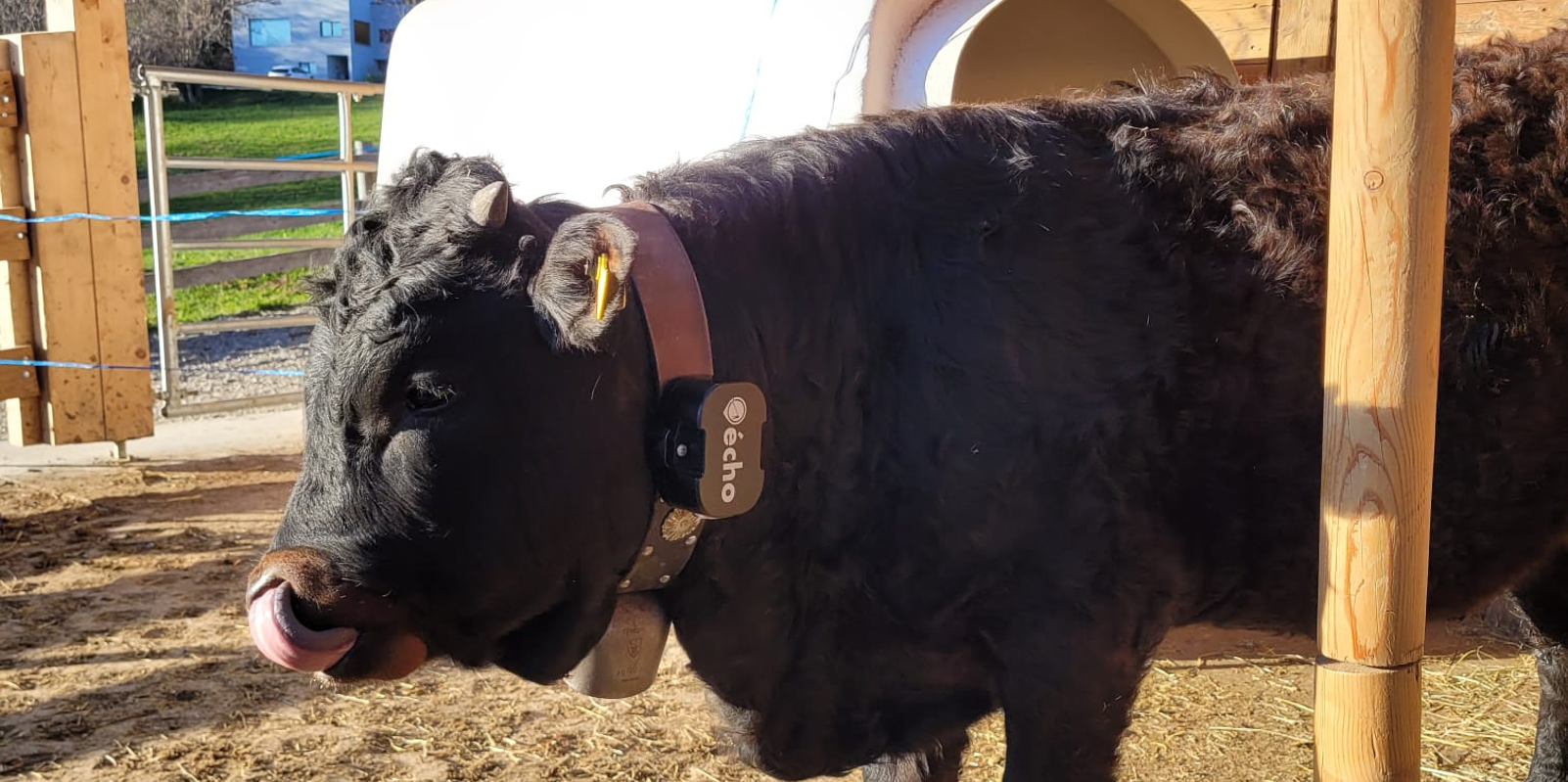
Kraftleben SatCom
The satellite GPS tracker. No network within reach of the animal, and yet a position every 10, 15 or 20 minutes, up to 12 months of battery life, anywhere on the planet.
The Kraftleben SatCom is the first version, the V1, of our satellite GPS tracker. It needs no antenna, no mobile network and no LoRa network: it talks directly to the Globalstar satellites passing overhead, and the message comes back down to écho through the operator's stations. Where a phone never had signal, it does.
Where nothing else gets through, the satellite does.
It is the device for absolute dead zones: pastures nobody covers, research mandates, cantons and reserves tracking animals far from any infrastructure. And since it depends on nothing on the ground, it works here as on the other side of the world, as soon as it can see the sky.
Let us be frank: in terms of data, the Kraftleben SatCom is the equivalent of the T-Border, position, rest or movement, Geo-Zone alerts. If 4G or LoRa reaches your pasture, take the T-Border at 140 CHF, it does the same for far less. The Kraftleben SatCom is the T-Border of places where there is nothing, for a small number of animals. The V2, being validated in the field, will go further: it will be the satellite equivalent of the Kraftleben LoRa, activity analysis included.
Against other satellite collars
Satellite tracking of animals has been around for a long time. What changes with the SatCom is the rate, and what it costs.
| Satellite collars on the market | Kraftleben SatCom | |
|---|---|---|
| Rate | one to a few positions a day sent up, the rest stored in the collar | 72 to 144 positions a day, transmitted live, every 10, 15 or 20 minutes |
| Data | message plan, billed on top of the device | unlimited transmission, included in the rental |
| Price | device purchase, plus subscription | 310 CHF per year, all-inclusive rental |
| Installation | nothing to install | nothing to install |
| Battery life | variable, often at the cost of a very low rate | up to 12 months, two batteries supplied, the year covered |
| Return | some models receive an acknowledgement | transmit only, no acknowledgement |
Market values taken from the public data sheets of wildlife research collar manufacturers, orders of magnitude. SatCom values are from our measurements in clear sky.

Which animals to equip?
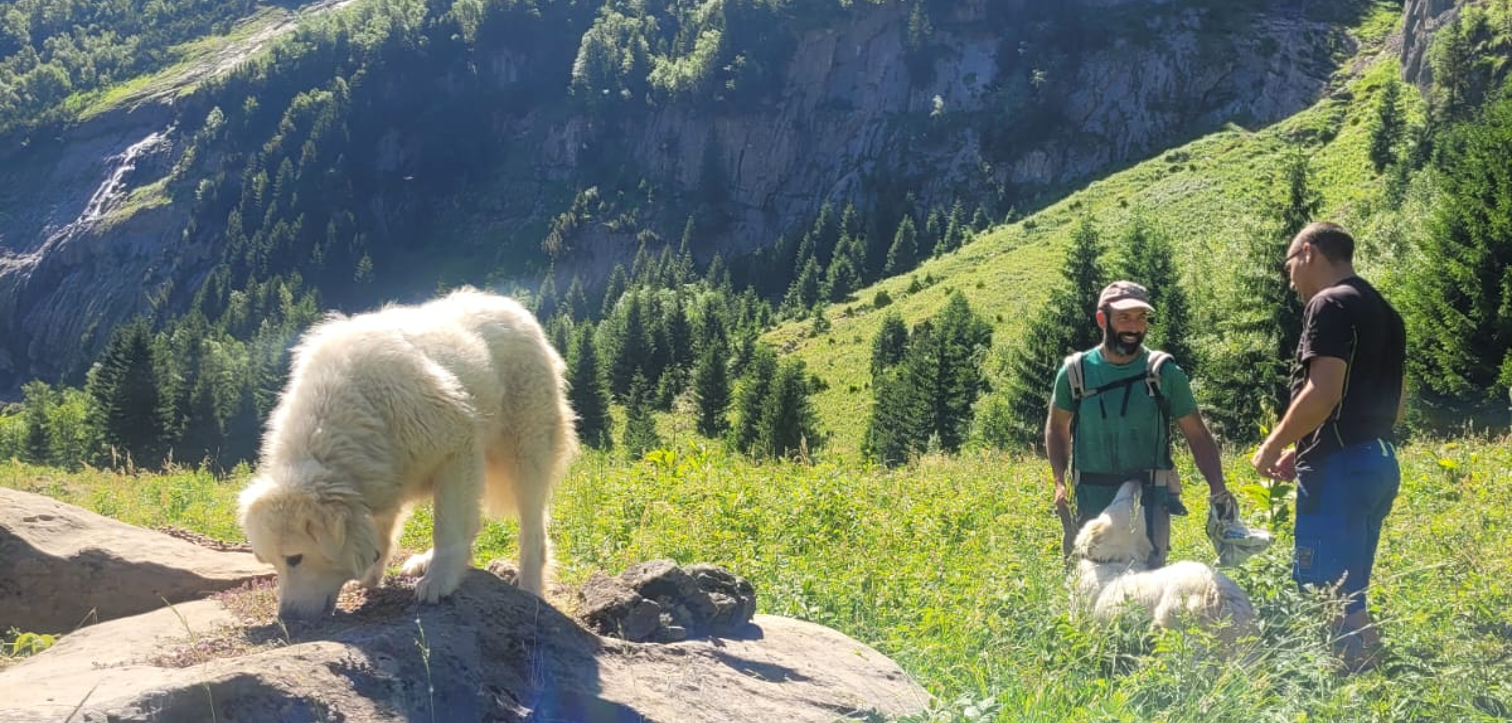
Satellite costs more than 4G and than LoRa. So you equip only what is needed: one device per guardian dog, and for a herd, the leader plus the animals that stray from the group.
One to three devices per lot or group are generally enough. This product is aimed at a small number of devices, where nothing else works any more. You equip what you want, we tell you what each setup lets you see.
The device
Every 10, 15 or 20 minutes, the device looks up to the sky and sends its position to the passing satellite. The message comes back down through an operator station, then reaches us, where our calculators decode it, grade it and feed your application. You have nothing to install and nothing to maintain.
The device, its housing and its integration into écho are built by Alpes-éco. It tells rest from movement, two states, and feeds the Geo-Zone alerts, the energy cost and the prevention system. The rate is chosen at order time, 10, 15 or 20 minutes, and it sets the battery life.
Globalstar satellite technology, version V1- Worldwide coverage, anywhere the animal can see the sky
- One position every 10, 15 or 20 minutes, 72 to 144 messages a day
- Nothing to install on site, no antenna and no mobile subscription
- Unlimited transmission, included in the rental
- Rate chosen at order time, set in the workshop, so the initial choice matters a lot
- Two batteries supplied, one spare per device, enough for the whole year
- Native integration in écho, same alerts and same analyses as the rest of the range
Data collected, every 10, 15 or 20 minutes
Here is a real transmission, as it appears in your app, once processed by our calculators.
 Last connection
 Battery level
 GPS reliability
 Activity
 Altitude
 GPS distance
 Elevation
 DDL
DDL Weather temp.
 Hygrometry
 Pressure
 THI index
 Conditions
This technology is one-way. If no satellite catches the message at the moment of transmission, it is lost and cannot be resent. That is the trade-off for coverage that depends on no one on the ground.
What the Kraftleben SatCom makes possible
The same modules as the T-Border, and the same limit: no activity analysis.

Crossing and incursion
Alerts when leaving a Geo-Zone and entering a forbidden Geo-Zone, with a record of every episode.

Locomotor energy cost
The CEL is computed from distance, duration and elevation, so without an accelerometer. The module is available.

Prevention system
The device feeds the prevention system and the signalling of the herd's presence in the field.
Activity analysis is out of its reach. The Kraftleben SatCom tells rest from movement, two states, but measures neither intensity nor behaviour. That is the job of the V2, being validated in the field.
How it works
The device talks to the satellite, the satellite talks to a ground station, the station talks to écho. On your pasture, there is nothing.
Battery life by rate
Calculated in clear sky, with the 93.6 Wh battery of the XL formats. The longer the interval, the longer the device lasts. And each device ships with a spare battery, enough to cover the full year.
| Transmission rate | Life of one battery |
|---|---|
| Every 10 minutes, 144 positions a day | about 6 months |
| Every 15 minutes, 96 positions a day | about 9 months |
| Every 20 minutes, 72 positions a day | about 12 months |
Theoretical values in clear sky (185, 273 and 356 days). Actual battery life varies with terrain, temperature and satellite passes.
Positioning reliability
In clear sky, GPS accuracy is metric. Every transmitted position is automatically graded by écho, on three levels.

Inside a building or under a roof, satellite communication is impossible. In the open under clear sky, coverage is complete. This behaviour is normal, it is inherent to satellite technology.
Housing formats
Two formats only, both in XL: satellite draws more power than 4G or LoRa, and only the large battery lasts the season. Solid-machined POM housings, IP69 certified, waterproof to 5 m, resistant to bites, horns and shocks.
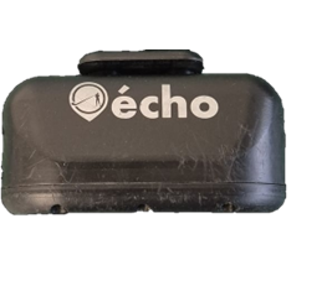
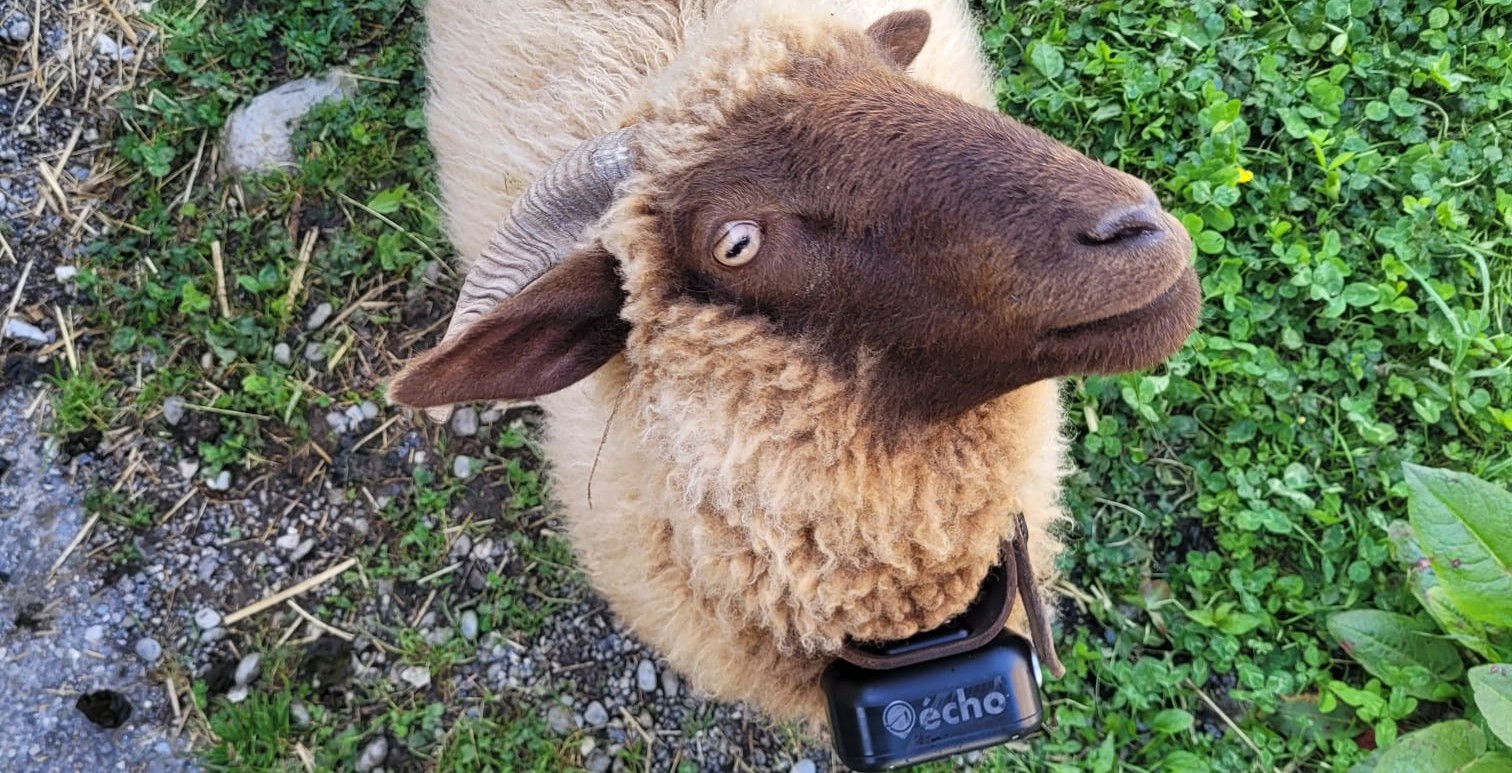
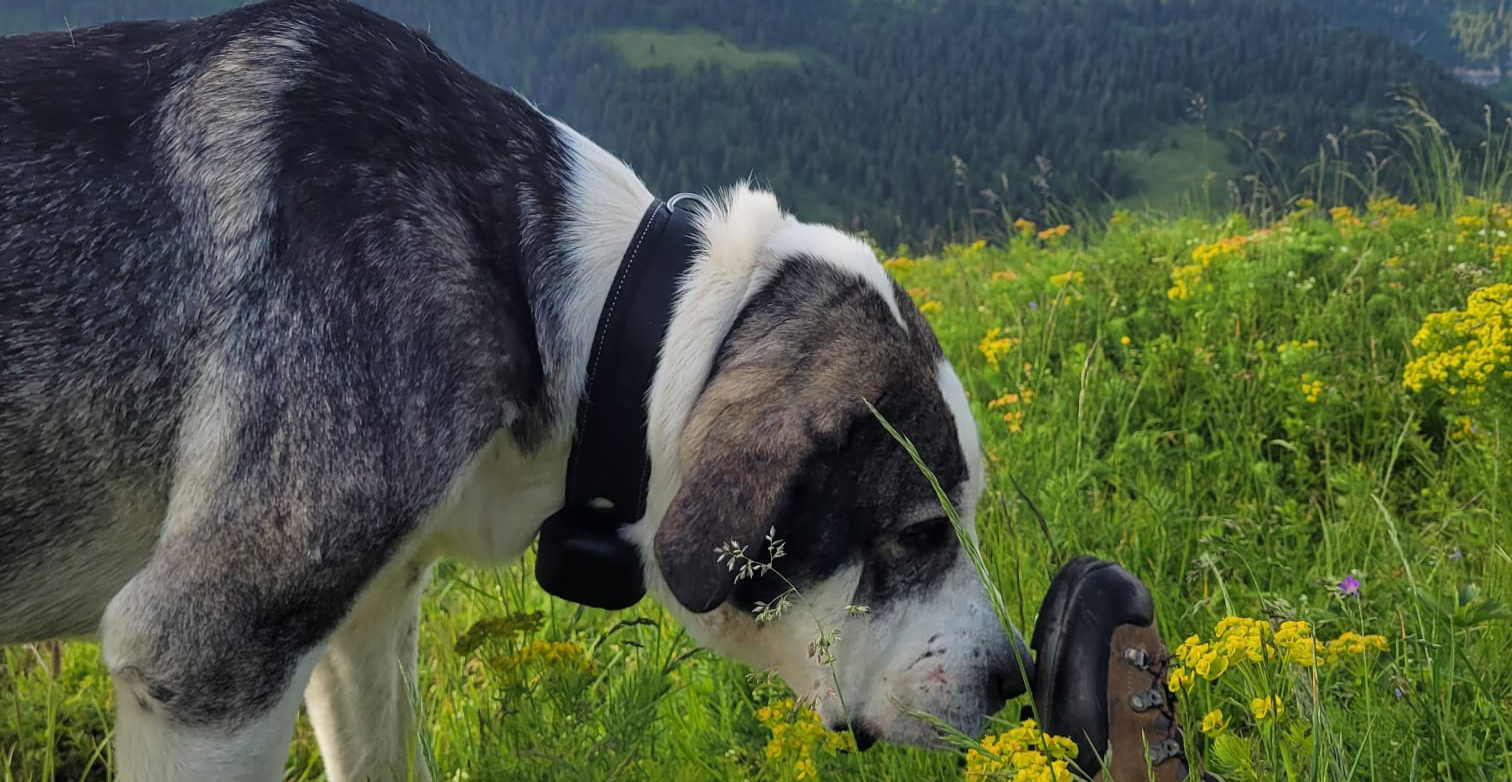
A-XL, guardian dogs, equines and small ruminants
Vertical mounting under the animal's neck, collar 35 mm minimum, plastic backing plate and two stainless steel screws, two 14 mm holes. Use on cattle is forbidden.
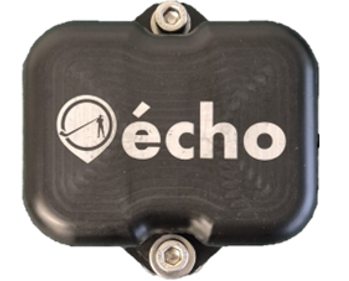
B-XL, cattle only
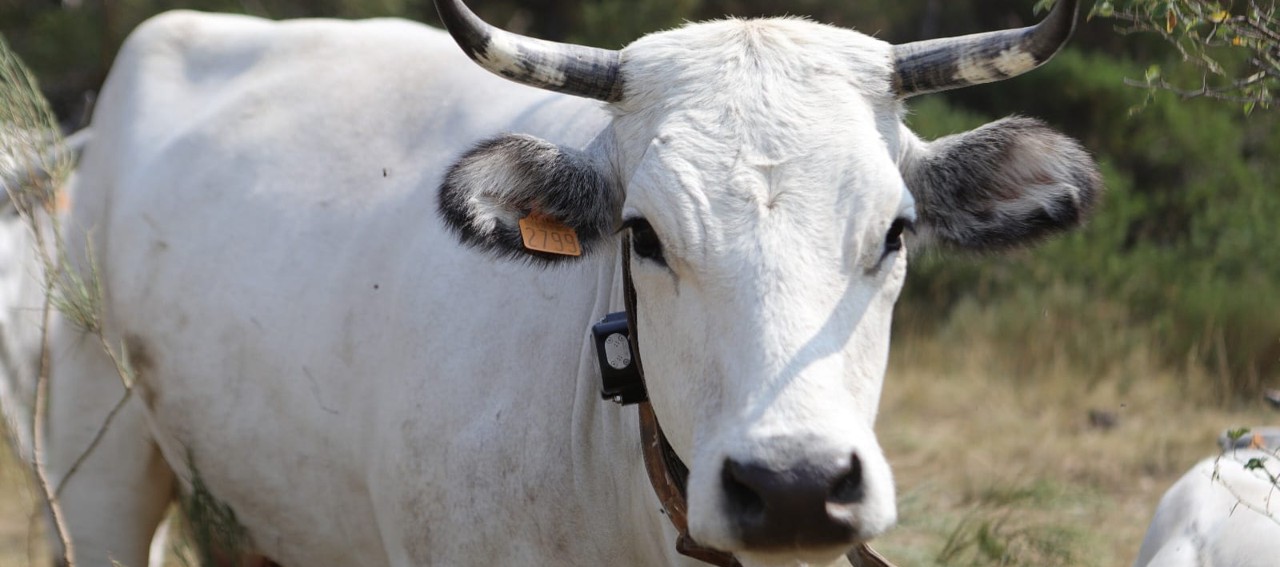
Lateral mounting on the bell collar, steel backing plate, two countersunk screws and two nuts facing outwards, two 14 mm holes. Designed for Hérens cows and cattle in undergrowth, it withstands fights.
Compatible animals
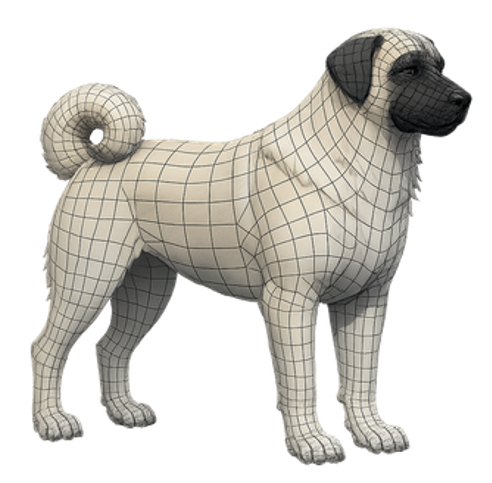
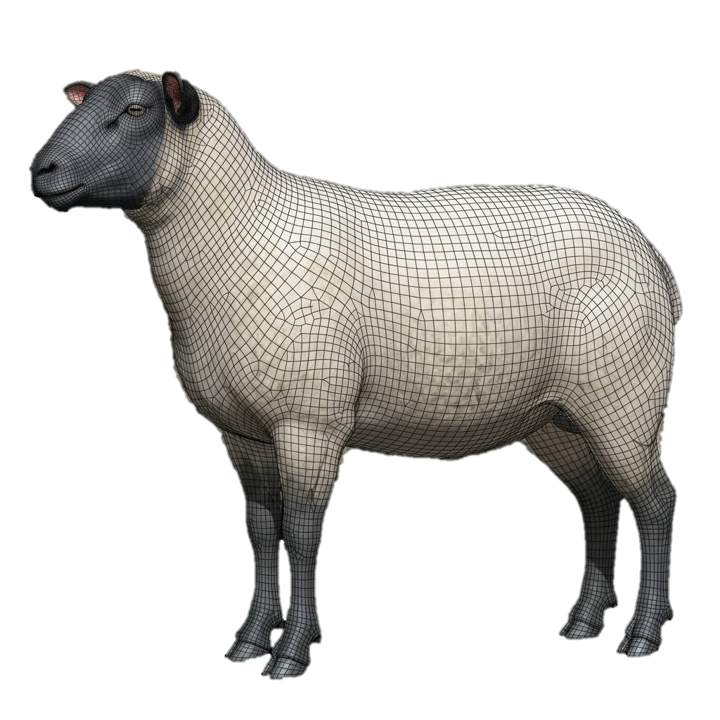
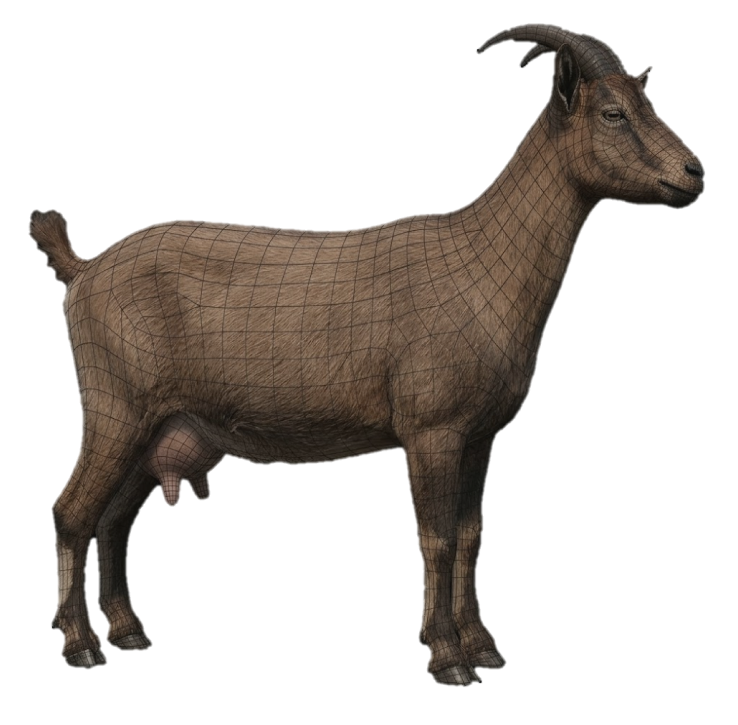
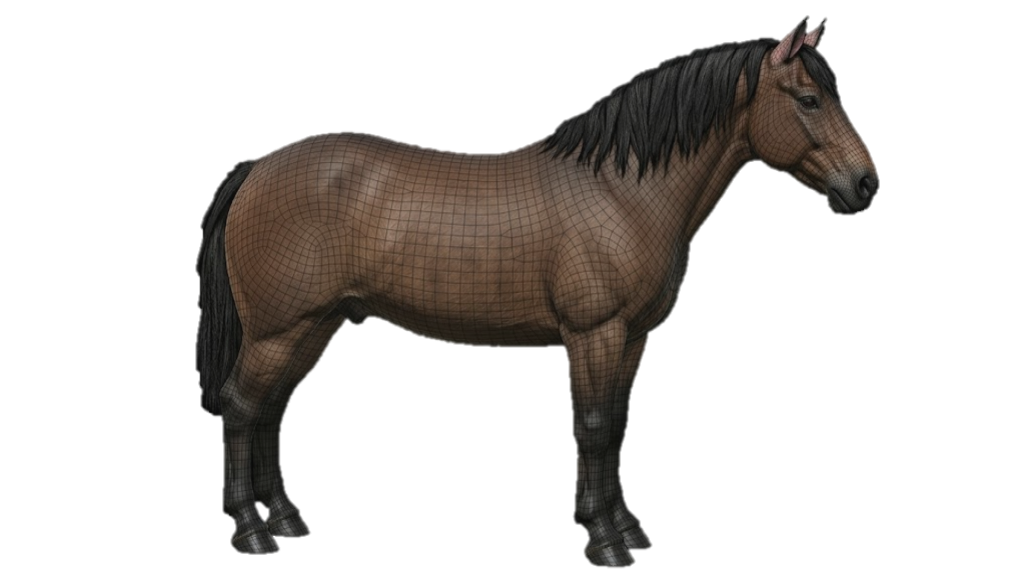
What to know before choosing
It needs the sky. Transmission is one-way, with no acknowledgement: a message no satellite catches is lost. In the open under clear sky, everything gets through. Under a roof, inside a building or under dense cover, nothing does, and that is normal.
It costs more and draws more. Satellite is more power-hungry than a ground link and less reliable. It is the solution to take when nothing else gets through, for a few animals, not to equip a whole herd.
The technology evolves, and so does it. This is the V1. Satellite transmission changes fast and the V2 is being validated in the field: it will be the satellite equivalent of the Kraftleben LoRa, activity analysis included. Devices in service stay fully integrated in écho, with the same alerts and the same analyses. We move forward, but we leave no one behind.
 Designed and developed in the Canton of Geneva